


One of the primary challenges in landscape photography is capturing the vastness and grandeur of a scene in a way that translates well to a two-dimensional image. This is where the concept of ‘scale’ comes into play. Including an element of scale can provide context and a sense of proportion, making your landscapes more compelling and relatable. Here are some techniques to effectively show scale in your landscape photographs.
Related: offer ending soon for the Composition Cheat Sheets  Pre-Black Friday Sale
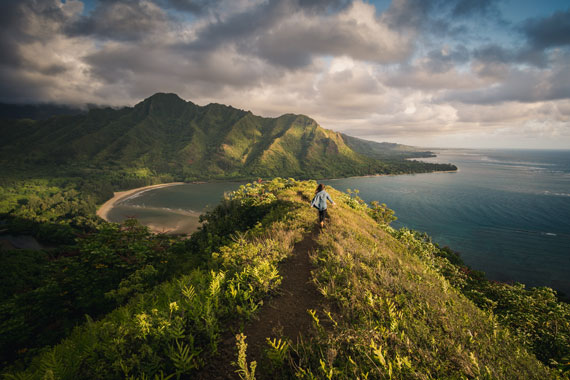
Photo captured by Peter Vanosdall
1. Introduce a Human Element
Including a person in your landscape shot is one of the easiest ways to convey scale. The viewer instinctively knows the approximate size of a human, which provides an instant reference. This technique works especially well with grand landscapes such as mountains, canyons, or vast fields.
2. Use Familiar Objects
If a human figure isn’t available or doesn’t fit the context, other familiar objects can serve as a reference. This can include things like vehicles, animals, or even buildings. For example, a lone car on a winding road amidst massive mountains can effectively show the enormity of the scene.
3. Layering and Foreground Elements
Introducing layers in your image, especially with a strong foreground element, can provide depth and a sense of scale. A prominent rock, tree, or other subject in the foreground, juxtaposed with the middle and background layers, helps the viewer gauge distances and sizes in the scene.
4. Use Wide Lenses
Wide-angle lenses inherently capture more of a scene, making vast landscapes look even vaster. When you pair a wide lens with a strong foreground element, the exaggeration of perspective further amplifies the sense of scale.
5. Capture Atmospheric Perspective
Atmospheric perspective is the phenomenon where distant objects appear lighter and less saturated due to atmospheric haze. Capturing scenes with evident atmospheric perspective (like layers of mountains fading into the distance) can give a sense of vastness and depth, thus emphasizing scale.
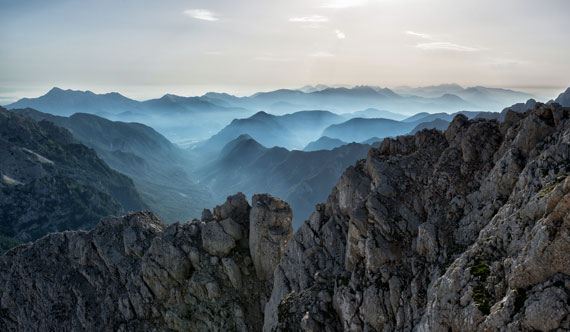
Photo captured by Ales Krivec
6. Play with Shadows and Light
The play of light and shadow, especially during the golden hours of sunrise and sunset, can add depth and dimension to a scene. Long shadows cast by trees, rocks, or mountains can show the viewer how grand or tall these elements are.
7. Use Leading Lines
Leading lines can guide a viewer’s eye through an image and provide a visual journey that showcases the scale. Rivers, roads, or even patterns in sand dunes can serve as leading lines, drawing the viewer from the foreground to the distant horizon.
8. Drones and Aerial Photography
With the rise of drone photography, there’s a unique opportunity to capture landscapes from a bird’s-eye view. This perspective can reveal patterns and proportions that are hard to grasp from the ground, offering a fresh way to showcase scale.
Conveying scale in landscape photography is all about providing context. By giving the viewer a reference point, be it a person, object, or the play of light and shadow, you can transform a flat image into a story of vastness and grandeur. Next time you’re out with your camera, consider these techniques to infuse a sense of scale into your landscapes, making them more immersive and captivating.
For Further Training on Composition:
Are you ever tired of your photos looking dull or boring? These popular Composition Cheat Sheets have you covered. With clear, concise information on all the essential elements of composition, you’ll never be unprepared again. They are currently 81% off for a Pre-Black Friday Sale which ends soon if you want to check them out.

Composition Cheat Sheets (see all the elements covered)
The perfect companion for any photographer. Print one out whenever you need it. These cheat sheets consolidate crucial composition-related information, allowing you to concentrate on what truly matters – composing striking photographs.
Deal ending soon: The Composition Cheat Sheets at 81% Off
The post Mastering the Art of Scale in Landscape Photography first appeared on PictureCorrect.
from PictureCorrect https://ift.tt/pCtN1fM
via IFTTT


Great insights on using scale to enhance landscape photography! I especially love how you explained the balance between foreground elements and vast backgrounds—it’s such a powerful technique for creating depth. Your tips are practical and easy to apply for both beginners and experienced photographers.
VastaaPoistaIf anyone is looking to elevate their real estate or landscape images even further, our team at BeatColor offers professional photo editing services that bring out the best in every shot. Feel free to visit us at beatcolor.com!