


In the world of photography, the aperture of a lens plays a crucial role in not only controlling the amount of light that reaches the camera sensor but also in determining the quality and character of the image, especially its bokeh, or the aesthetic quality of the blur produced in the out-of-focus parts of an image. One factor that significantly influences this aspect of image quality is the number of aperture blades within the lens. But why do some lenses have more aperture blades than others? Let’s dive into the reasons behind this design choice and its implications for photographers.
Related: offer ending soon for the Camera Cheat Sheets  Pre-Black Friday Sale
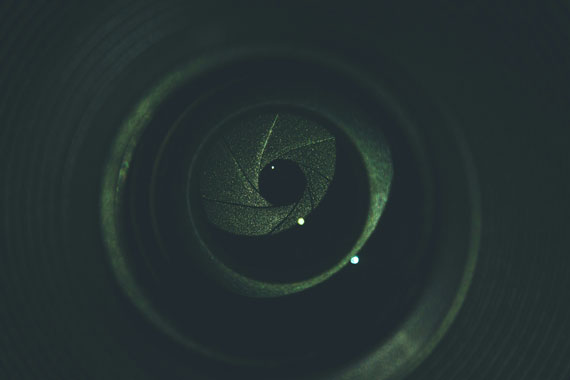
Photo captured by Lenstravelier
Understanding Aperture Blades
Aperture blades are the mechanical elements within a lens that can open and close to adjust the size of the aperture opening through which light passes. The configuration of these blades—how many there are and their shape—affects the shape of the aperture, which in turn influences the bokeh and the overall sharpness of the image.
More Blades for a More Circular Aperture
The primary reason for having more aperture blades is to create a more circular aperture opening. Lenses with fewer blades tend to produce an aperture that resembles a polygon (e.g., hexagonal or heptagonal) when stopped down, which can result in bokeh that mirrors this shape. More blades usually mean the aperture can form a shape closer to a true circle, leading to smoother, more pleasing bokeh. This circular bokeh is particularly sought after in portrait and macro photography, where the subject stands out against a softly blurred background.
Optical Quality and Design Considerations
Lenses designed for high-end or professional use often feature more aperture blades because manufacturers aim to optimize optical performance, including the quality of the out-of-focus areas. These lenses are typically larger, heavier, and more expensive due to the increased complexity and precision required in manufacturing a mechanism with more blades. Additionally, the shape of the blades—whether they are straight or curved—also plays a role in the quality of the bokeh.
Cost and Complexity
The number of aperture blades also reflects a balance between cost and desired optical characteristics. More blades increase the complexity of the lens design and the manufacturing process, leading to higher costs. Budget-friendly lenses often have fewer blades to keep prices low, appealing to amateur photographers or those with less demand for perfect bokeh.
Specific Photographic Needs
Different types of photography benefit from different aperture blade configurations. For instance, landscape photographers might prioritize lens sharpness and depth of field over bokeh quality and thus may opt for lenses with fewer blades, which can also be lighter and more cost-effective. Conversely, portrait photographers who value a soft background might prefer lenses with more aperture blades.
Summary:
The variation in the number of aperture blades among lenses is a result of manufacturers tailoring their products to meet specific photographic needs, balancing between cost, optical quality, and the intended use of the lens. Whether a lens has fewer or more aperture blades, each design choice impacts the character and quality of the images it produces. Understanding these differences can help photographers select the right lens for their work, ensuring that they achieve the desired artistic effect in their photographs.
For Help with Tricky Lighting & Camera Settings:
Have you ever wanted to photograph an amazing moment but missed the shot because you didn’t know the right camera settings to use? That’s where these fundamental Camera Cheat Sheets come in. They are currently 75% off for a Pre-Black Friday Sale if you want to check them out.

New: Fundamental Photography Cheat Sheets
Whether you’re a seasoned professional or just starting out, photography cheat sheets can be a valuable resource for improving your skills and taking your photography to the next level. The perfect companion for any photographer. Print one out whenever you need it.
Offer ending soon: The Camera Cheat Sheets  Pre-Black Friday Sale
The post How Aperture Blades Affect Image Quality first appeared on PictureCorrect.
from PictureCorrect https://ift.tt/sXbdBYR
via IFTTT


Great post — thanks for breaking down how aperture blades really shape the look of our images! 👌 You make a solid point that it’s not just about exposure — the number and shape of those blades can dramatically influence bokeh and the quality of out-of-focus highlights.
VastaaPoistaAt PhePhotos (https://phephotos.com/), we pay close attention to these optical details during post-production. Understanding how lens mechanics work helps us create more natural, pleasing results when retouching and editing.
Looking forward to reading more of your in-depth photography insights!