


Desert photography presents a unique set of challenges, from harsh sunlight to unpredictable weather conditions. However, the breathtaking landscapes and stunning light make it a worthwhile endeavor for any photographer. In this article, we will discuss essential tips for photographing in desert conditions, including how to protect your gear and which camera settings to use for optimal results.
Relevant note: only a little while left for the Complete Landscape Guide at 58% Off
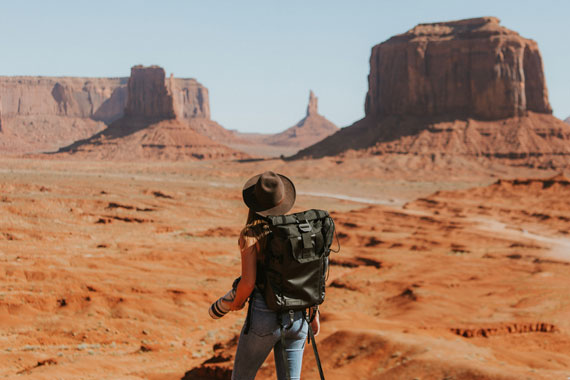
Photo captured by Ivana Cajina
Protecting Your Gear
The desert environment can be unforgiving to your photography equipment. Here are some tips to help protect your gear:
- Use a camera bag with ample padding and compartments to safeguard your equipment from the elements and accidental drops.
- Bring ziplock bags or rain sleeves to protect your camera and lenses from sand, dust, and moisture.
- Carry a rocket blower or brush to remove dust from your camera and lenses.
- Don’t forget to pack lens hoods to shield your lenses from direct sunlight, which can cause flare and reduce image quality.
- Keep your gear in a shaded area when not in use to avoid overheating.
Camera Setup for Desert Photography
To capture the essence of the desert, consider the following camera settings:
ISO: Use the lowest possible ISO setting (e.g., 100 or 200) to minimize noise and maximize image quality. Deserts tend to have bright, intense sunlight, so a low ISO should be sufficient for most situations.
Aperture: Choose an appropriate aperture based on your desired depth of field. For landscape shots with a deep depth of field, consider using a smaller aperture (larger f-number, e.g., f/11 or f/16). For portraits or subjects where you want to isolate the focus, use a larger aperture (smaller f-number, e.g., f/2.8 or f/4).
Shutter Speed: Adjust your shutter speed to properly expose the image based on your ISO and aperture settings. In bright sunlight, you might need a fast shutter speed to avoid overexposure (e.g., 1/500 or 1/1000). Use a tripod if you need to use a slow shutter speed for creative effects or in lower light situations.
White Balance: Desert environments can have strong color casts due to the sand and sunlight. Adjust your white balance accordingly, either by using the “Daylight” or “Sunny” preset or by manually setting the color temperature (around 5200-5500K). You can also shoot in RAW and fine-tune the white balance during post-processing.
Graduated Neutral Density (GND) Filters: In high-contrast situations, such as a bright sky and dark foreground, consider using a GND filter to balance the exposure. This can help retain detail in both the sky and the landscape.
Polarizing Filters: A circular polarizing filter can help enhance the colors, reduce glare, and improve the overall contrast in your desert photos.
Bracketing: Consider using exposure bracketing to capture a range of exposures. This can be helpful for creating HDR images or ensuring you get the best possible exposure in challenging lighting conditions.
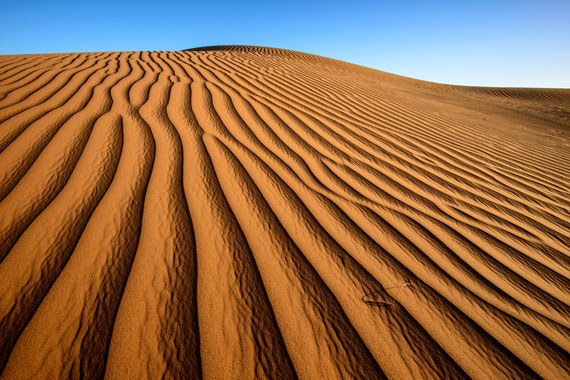
Photo captured by Sergey Pesterev
Composition Tips
To create visually stunning desert photographs, keep these composition tips in mind:
- Utilize leading lines, such as sand dunes, to guide the viewer’s eye through the image.
- Look for interesting textures and patterns in the sand or rock formations.
- Incorporate elements of scale, like a lone cactus or human figure, to emphasize the vastness of the landscape.
- Shoot during the golden hour (shortly after sunrise or before sunset) for soft, warm light that adds depth and dimension to your images.
Dealing with Heat Haze
Heat haze, caused by rising hot air, can make distant objects appear blurry. To minimize its impact, avoid shooting during the hottest part of the day and use a telephoto lens with a polarizing filter to cut through the haze.
Stay Safe and Respect the Environment
Finally, remember to stay safe and respect the fragile desert ecosystem. Carry plenty of water, wear sun protection, and adhere to local guidelines for leaving no trace.
Conclusion
Desert photography can be challenging, but with the right approach, you can capture the beauty and wonder of these unique landscapes. By following these tips and protecting your gear, you’ll be well-prepared to document your desert adventure in stunning detail.
For Further Training:
If you are looking for more help with your landscape photography, you may want to check out this in-depth guide while it is currently 58% off. It contains 237 pages jam-packed with training, illustrations, and assignments for photographers seeking to take better landscapes.
New: The Complete Landscape Photography Guide
It covers everything you need to know to take consistently great landscape shots – lens and gear help, developing your own style, post-processing guides, composition tips, how to get unique images, and much more.
Deal ending soon: The Complete Landscape Photo Guide at 58% Off
The post Desert Photography Tips and Gear Protection first appeared on PictureCorrect.
from PictureCorrect https://ift.tt/cP7abRC
via IFTTT


Fantastic tips! Shooting in desert environments definitely comes with unique challenges, especially when it comes to gear protection and lighting balance. I really appreciate the practical advice shared here. For anyone looking to enhance their desert or landscape shots, PhePhotos https://phephotos.com/ offers professional photo editing services to make your images stand out beautifully.
VastaaPoista