


Landscape photography is all about capturing the essence of a place and evoking emotion in the viewer. One of the most effective ways to achieve this is by understanding and using the principles of balance and visual weight. These concepts help the photographer create harmonious compositions that captivate the viewer’s attention.
Relevant note: only a little while left for the Complete Landscape Guide at 58% Off
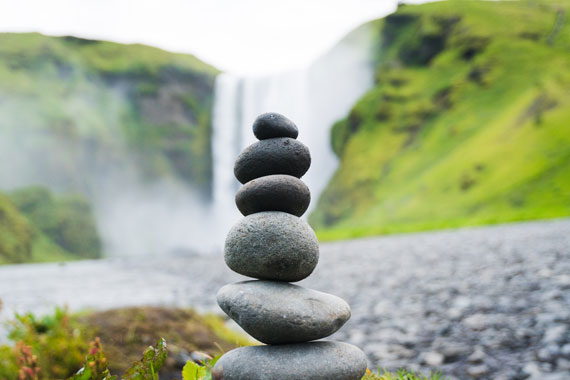
Photo captured by Martin Sanchez
1. Understanding Balance
Balance in a photograph refers to the distribution of visual elements, ensuring that no one part of the image overwhelms another. This creates a sense of equilibrium, where the viewer feels at ease when looking at the photograph.
There are two main types of balance:
- Symmetrical Balance: This occurs when both halves of an image mirror each other. Think of reflection shots, where a mountain is reflected perfectly in a still lake.
- Asymmetrical Balance: This is achieved when different elements on either side of an image have equal visual weight but are not identical. For instance, a large tree on one side might be balanced by a cluster of smaller trees on the other.
2. Grasping the Concept of Visual Weight
Visual weight refers to the ability of an element within an image to draw the viewer’s attention. Factors that contribute to an element’s visual weight include:
- Size: Larger objects typically have more visual weight than smaller ones.
- Contrast: An element that contrasts with its surroundings, either in color, tone, or texture, will stand out.
- Placement: Elements placed towards the center tend to feel heavier than those at the edges.
- Complexity: Detailed or complex subjects can draw more attention than simpler ones.
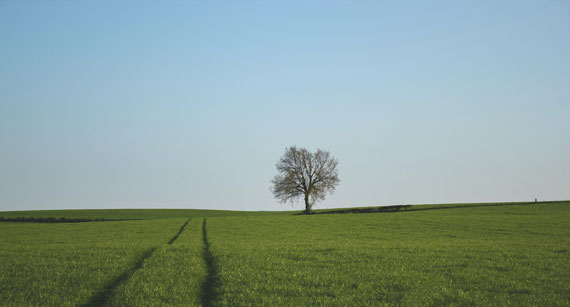
Photo captured by John Mark Arnold
3. Tips for Achieving Balance with Visual Weight
- Rule of Thirds: Place main subjects on the intersections of the dividing lines. This naturally achieves balance in many scenes.
- Use Leading Lines: Paths, rivers, or shadows can guide the viewer’s eyes through the frame, balancing out elements of visual weight.
- Incorporate Negative Space: The empty space can balance a prominent subject, preventing it from overwhelming the image.
- Pay Attention to Natural Symmetry: Reflections, shadows, and formations can provide natural ways to balance a photo.
4. The Intentional Imbalance
There are moments when an intentional imbalance can be powerful. By making one element overwhelmingly dominant, photographers can evoke feelings of loneliness, awe, or vulnerability. However, it’s essential to use this technique judiciously to avoid confusing the viewer.
Conclusion
Understanding balance and visual weight is crucial for creating compelling landscape photographs. By mastering these concepts, you’ll be better equipped to guide your viewer’s eye through your image, telling a more engaging story about the scene you’ve captured. Like all rules in art, once you understand them thoroughly, don’t be afraid to break them creatively to achieve the mood or message you’re aiming for in your work.
For Further Training:
If you are looking for more help with your landscape photography, you may want to check out this in-depth guide while it is currently 58% off. It contains 237 pages jam-packed with training, illustrations, and assignments for photographers seeking to take better landscapes.
New: The Complete Landscape Photography Guide
It covers everything you need to know to take consistently great landscape shots – lens and gear help, developing your own style, post-processing guides, composition tips, how to get unique images, and much more.
Deal ending soon: The Complete Landscape Photo Guide at 58% Off
The post Balance and Visual Weight in Landscape Photography first appeared on PictureCorrect.
from PictureCorrect https://ift.tt/PE7kmQ3
via IFTTT


Great insights on achieving balance and visual weight in landscape photography! The examples and explanations really highlight how composition affects a viewer’s perception. Thanks for sharing such valuable tips. At BeatColor https://beatcolor.com/, we also focus on enhancing visual balance through professional real estate photo editing to help very image stand out beautifully.
VastaaPoista