


As winter begins to fade, a quiet shift happens in the landscape. The snow recedes, the air softens, and—on the right mornings—fog starts to appear with surprising consistency. It’s easy to overlook. There are no bold colors or dramatic skies, just muted tones and soft light. But for photographers, this period offers one of the most visually powerful conditions of the entire year.
Related reminder: the winter season is almost over in the northern hemisphere (only 1 day left) and so is the Photo Adventure Cheat Sheets  Winter Sale
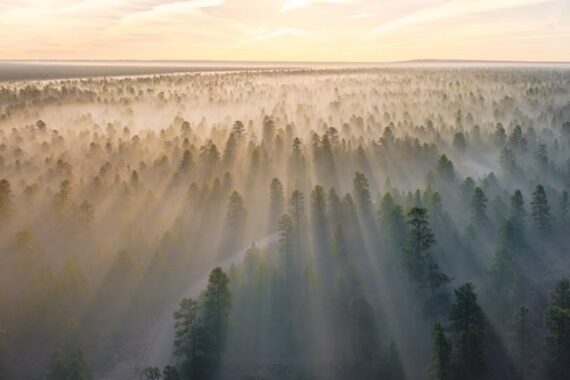
End-of-winter fog is driven by temperature contrast. The ground and water are still cold from winter, while the air begins to warm slightly during the day. Overnight cooling followed by early morning warming creates just enough separation for moisture to condense into mist. Lakes begin to steam, valleys fill with haze, and coastal areas develop layers that shift and reshape constantly. These scenes don’t stay the same for long, which makes them especially rewarding to work with.
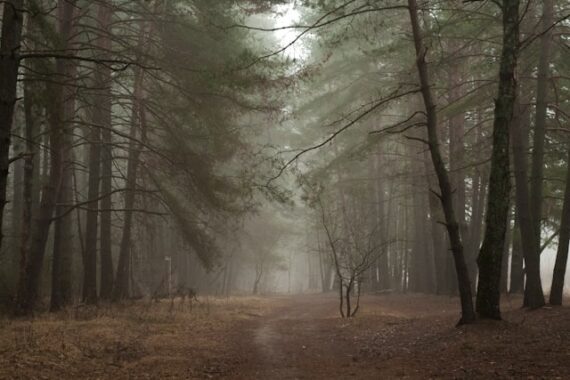
What makes fog so effective is how it simplifies everything. Background clutter disappears, leaving only the strongest elements behind. A single tree, a distant figure, or a simple line cutting through the frame can suddenly carry the entire image. Instead of building complex compositions, you begin to subtract. The scene does the editing for you.
At the same time, fog naturally builds depth. Objects don’t just shrink with distance—they fade. Foreground elements remain darker and more defined, while anything farther away softens into lighter tones until it nearly disappears. This gradual transition creates a layered look that feels atmospheric and three-dimensional, even in very simple scenes.
Because of this, fog encourages a different approach to composition. Instead of searching for more elements, the goal becomes finding less. Look for isolated subjects, clean silhouettes, or repeating shapes that fade into the distance. Negative space becomes a key part of the frame, not just empty background. If the image feels almost too minimal, that’s often a sign it’s working.
Technically, fog can be deceptive. Cameras tend to underexpose these scenes because they interpret all that brightness as something that needs to be toned down. The result is often a dull, gray image that lacks the lightness you actually saw. In most cases, it helps to push your exposure brighter than normal. Let the fog appear luminous rather than flat.
A good starting point is to dial in positive exposure compensation—somewhere around +1 stop—and adjust from there based on what you see in your histogram. The histogram becomes much more reliable than the rear screen in these conditions. Instead of aiming for a centered graph, you’ll usually want the data shifted toward the brighter side without clipping important highlights. Fog should feel light and airy, not muddy.
Aperture choices are fairly flexible, but something in the mid-range—around f/5.6 to f/11—tends to work well depending on how much depth you want to keep. Since fog already reduces contrast, keeping your ISO low helps preserve as much tonal detail as possible. For focus, it’s often better to use a single focus point or manual focus, especially when your subject is partially obscured and autofocus might struggle.
Another advantage of fog is the quality of light. Everything is naturally diffused, which eliminates harsh shadows and creates very smooth tonal transitions. This makes it easier to capture subtle gradients, especially in scenes where layers fade gently into one another.
It’s also worth slowing down. Fog can change rapidly—thickening, thinning, or drifting in ways that completely transform a scene within minutes. A composition that feels empty at first can suddenly come alive as elements appear or disappear. Staying in one place and observing these shifts often leads to the strongest images.
End-of-winter fog doesn’t rely on dramatic landscapes or vibrant color. It rewards patience, simplicity, and attention to subtle detail. While many photographers wait for spring to fully arrive, this in-between season offers something just as compelling—images that feel quiet, minimal, and atmospheric in a way few other conditions can match.
For Further Training:
For help remembering the camera settings for difficult situations like this, this set of Photography Adventure Cheat Sheets are designed to help. They are currently 80% off for a Winter Sale which ends tomorrow along with the winter season. Spring is upon us!
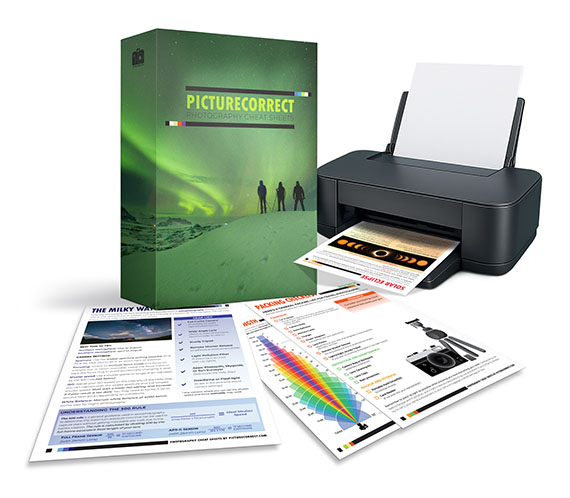
The perfect companion for any photographer. Print one out whenever you need it. Whether you’re going on vacation or seeking out a specific photography adventure, these cheat sheets can provide you with the knowledge and inspiration you need to create your best work yet.
Only 1 day left: The Photography Adventure Cheat Sheets Winter Sale
from PictureCorrect https://ift.tt/2ZgPqaI
via IFTTT


0 kommenttia:
Lähetä kommentti