perjantai 8. syyskuuta 2023

PictureCorrect.com: Faces & Places: Mastering Travel Portrait Photography

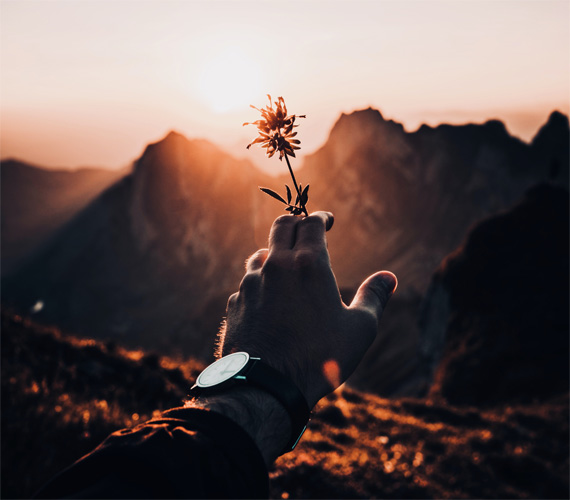
Traveling is a journey of discovery, not just of places but also of people. Portraits can bring the faces, stories, and emotions of these individuals to life. Travel portrait photography combines the best of three worlds: portraiture, landscapes, and documentary. Here’s how you can master the art and take compelling portraits on your travels.

travel portraits

1. Know Your Equipment Inside Out

Before you even step onto the plane, train, or automobile, it’s vital to have a deep understanding of your camera and its capabilities. Whether you’re using a DSLR, mirrorless, or even a smartphone:

  • Lenses Matter: Opt for prime lenses like 50mm or 85mm. They don’t only offer sharpness but also a pleasing perspective and the ability to create beautiful bokeh with a shallow depth of field.
  • Get Intimate with Settings: Understand the intricacies of shutter speed, aperture, ISO, and focus mode. Mastery over your camera settings ensures you don’t fumble when the perfect shot presents itself.

2. Chasing The Golden Hour

Light can make or break a portrait. Early morning and late afternoon, often referred to as the ‘golden hours’, offer soft, warm, and diffused light which is flattering for subjects. If caught under the harsh sun:

  • Seek Shelter: Look for shade or overcast areas to avoid overexposure and harsh shadows.
  • Diffusers: Carry portable diffusers or reflectors if possible. They can soften the harsh midday sun.

3. Compose with Intent

Composition is not just about the subject; it’s about the entire frame.

  • Rule of Thirds: This classic principle helps in creating balanced images. Position your subject off-center for a dynamic composition.
  • Backdrop Matters: A telling background can add context to your portrait. However, ensure it doesn’t overwhelm or distract from the main subject.

4. Build a Bridge of Interaction

When you’re in a new place, mingling with locals can sometimes be challenging due to language barriers. However:

  • Smile: It’s a universal language. A friendly approach can make your subject comfortable.
  • Always Seek Permission: Respect individual preferences. Some people may not want to be photographed. Always ask before you click.

5. Narrate a Story with Emotion

Your aim should be to capture a moment, an emotion, a tale.

  • Context is Key: A portrait taken in a local market, traditional home, or amidst a festival can narrate volumes about the person’s life and culture.

Camera Settings Guide:

  • Shutter Speed: Start with 1/125th of a second or faster. This avoids motion blur, especially important in dynamic environments.
  • Aperture: A wide aperture (e.g., f/2.8 or f/4) is recommended. This creates a shallow depth of field, making your subject stand out.
  • ISO: Aim for ISO 100 or 200 in bright conditions. In darker environments, you may need to bump it up, but always aim for the lowest ISO possible to maintain image quality.
  • Focus Mode: Single point autofocus is often best, targeting the eyes as they’re the windows to the soul. For subjects in motion, continuous or tracking autofocus can be your best bet.
  • Metering Mode: While evaluative or matrix metering is versatile, don’t shy away from spot metering, especially when dealing with challenging lighting, like backlit subjects.

In conclusion, travel portrait photography is not just about technical prowess but also about human connection. While camera settings and composition play their part, it’s your interaction and respect for the culture and people that will shine through in the images.

For Further Training:

Have you ever wanted to photograph an amazing once-in-a-lifetime moment but missed the shot? This new set of Photography Adventure Cheat Sheets have you covered. With camera settings and critical information on the most challenging photography situations, you’ll never be unprepared again. They are currently 80% off for the launch sale which ends soon if you want to check them out.

photography adventure

New! Cheat Sheets for Your Photography Adventures (see how they work)

The perfect companion for any photographer. Print one out whenever you need it. Whether you’re going on vacation or seeking out a specific photography adventure, these cheat sheets can provide you with the knowledge and inspiration you need to create your best work yet.

Launch sale ending soon: The Photography Adventure Cheat Sheets at 80% Off

- - - - - - - - - - - - - - - - - - - - - - - - - - - - - - - - - - - - - - - - - - - - - - - - - - - - - - - - - - - - - - - - - - - - - - - - - -

Did you appreciate this newsletter? Please help us keep it going by Joining Our Patreon Supporters

What are your thoughts on this article? Join the discussion on our Facebook Page

PictureCorrect subscribers can also learn more today with our #1 bestseller: The Photography Tutorial eBook

- - - - - - - - - - - - - - - - - - - - - - - - - - - - - - - - - - - - - - - - - - - - - - - - - - - - - - - - - - - - - - - - - - - - - - - - - -

The post Faces & Places: Mastering Travel Portrait Photography appeared first on PictureCorrect.


from PictureCorrect https://ift.tt/I1xtvXA
via IFTTT
torstai 7. syyskuuta 2023

PictureCorrect.com: Sunrises Phases to Know as a Photographer

Quick reminder: only a little while left for the Photo Adventure Cheat Sheets at 80% Off

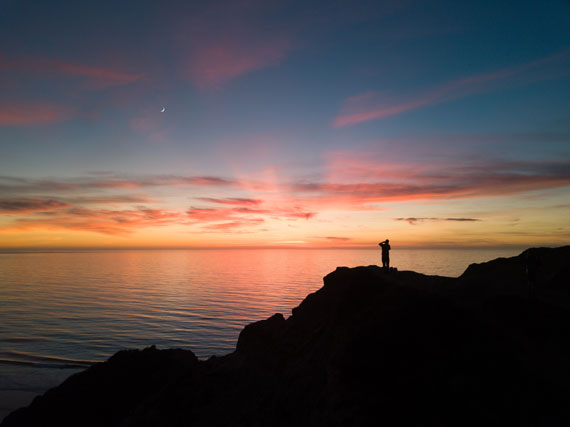
Sunrise is a daily spectacle that never fails to inspire awe. For photographers, this is a golden opportunity to capture the world in a unique light, literally. Each phase of a sunrise offers distinct lighting conditions, and understanding these phases can help photographers optimize their shots. Whether you’re an aspiring photographer or a seasoned professional, understanding the phases of sunrise will help you make the most of this magical time of day.

sunrise phases

Photo captured by Christopher Ruel

1. Pre-dawn/Nautical twilight:

Before the sun announces its appearance, there’s a phase where the sky starts to get painted with subtle hues. Though the sun is still hiding below the horizon, the ethereal light can set the stage for some dramatic photography. This is a perfect window to capture landscapes enveloped in a soft, serene glow or silhouette shots against a slowly brightening sky.

2. Blue hour:

Named aptly for the predominant color of the sky, the blue hour provides photographers with a dream-like setting. The world appears calm, wrapped in cool, soft blue light. Whether you’re framing a tranquil countryside landscape or the still-sleeping skyscrapers of a city, the blue hour is your canvas.

3. Civil twilight:

As the sun flirts with the horizon, the blue of the sky begins to mingle with warmer colors. Especially in urban settings, this is a precious time. Photographers can achieve balanced images with both natural and artificial lights.

4. Golden hour:

If sunrise had a crown, the golden hour would be its most dazzling jewel. The world bathes in a golden glow, making everything appear warm and inviting. This light is not only perfect for soul-stirring landscapes but is also a favorite among portrait photographers for the flattering glow it casts on subjects.

5. Sunrise:

The moment we’ve all been waiting for! As the sun peeks above the horizon, it casts the world in dynamic and dramatic lighting. No two sunrises are identical, and this phase gifts photographers with the chance to capture truly one-of-a-kind images.

6. Post-sunrise:

As the sun ascends, the soft lighting slowly gives way to a brighter and more intense luminescence. Scenes become alive with vibrant colors and stark contrasts, making it an ideal time for those vibrant shots where every hue pops.

Lastly, while the sun’s journey offers a predictable pattern, the weather can be an unpredictable ally. It’s always a good idea to keep a tab on the weather forecast. Cloud patterns, humidity, and other atmospheric conditions can profoundly affect the colors and textures during sunrise.

In conclusion, sunrises offer a plethora of opportunities for photographers. With each phase presenting a different canvas, all you need to do is be prepared and seize the moment. So, the next time you plan a shoot, consider greeting the sun, and you might just get your best shot yet.

For a Sunset Phases Cheat Sheet & More:

Have you ever wanted to photograph an amazing once-in-a-lifetime moment but missed the shot? This new set of Photography Adventure Cheat Sheets have you covered. With camera settings and critical information on the most challenging photography situations, you’ll never be unprepared again. They are currently 80% off for the launch sale which ends soon if you want to check them out.

photography adventure

New! Cheat Sheets for Your Photography Adventures (see how they work)

The perfect companion for any photographer. Print one out whenever you need it. Whether you’re going on vacation or seeking out a specific photography adventure, these cheat sheets can provide you with the knowledge and inspiration you need to create your best work yet.

Launch sale ending soon: The Photography Adventure Cheat Sheets at 80% Off

- - - - - - - - - - - - - - - - - - - - - - - - - - - - - - - - - - - - - - - - - - - - - - - - - - - - - - - - - - - - - - - - - - - - - - - - - -

Did you appreciate this newsletter? Please help us keep it going by Joining Our Patreon Supporters

What are your thoughts on this article? Join the discussion on our Facebook Page

PictureCorrect subscribers can also learn more today with our #1 bestseller: The Photography Tutorial eBook

- - - - - - - - - - - - - - - - - - - - - - - - - - - - - - - - - - - - - - - - - - - - - - - - - - - - - - - - - - - - - - - - - - - - - - - - - -

The post Sunrises Phases to Know as a Photographer appeared first on PictureCorrect.


from PictureCorrect https://ift.tt/1APoO4u
via IFTTT

keskiviikko 6. syyskuuta 2023

PictureCorrect.com: Released Today! Photography Adventure Cheat Sheets

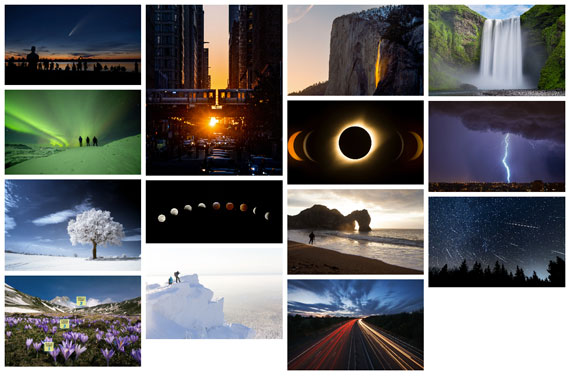
Have you ever wanted to photograph an amazing once-in-a-lifetime moment but missed the shot? This new set of photography cheat sheets have you covered. With camera settings and critical information on the most challenging photography situations, you’ll never be unprepared again. They are currently 80% off for the launch sale which ends soon if you want to check them out. Found here: The Photography Adventure Cheat Sheets at 80% Off

photography adventure

New! Cheat Sheets for Your Photography Adventures (see how they work)

The perfect companion for any photographer. Print one out whenever you need it.

Whether you’re going on vacation or seeking out a specific photography adventure, these cheat sheets can provide you with the knowledge and inspiration you need to create your best work yet.

Some of the Many Difficult Situations Covered:

  • Auroras (The Northern Lights)
  • Lightning
  • The Milky Way
  • Star trails
  • Meteor showers
  • Comets
  • Sunrise phases
  • Sunset phases
  • Lunar eclipses
  • Solar eclipses
  • Birds in flight
  • Manhattanhenge
  • Firefall Yosemite
  • Snowy scenes
  • Infrared
  • Fireworks
  • Travel portraits

photography situations

  • Cityscapes
  • High dynamic range
  • Traffic streaks
  • Focus stacking
  • Wildlife
  • Air shows
  • Light painting
  • Daytime long exposures
  • Timelapse
  • Seascapes
  • Panoramas
  • Cameraphone tricks
  • Packing checklist
  • And more!

Our team of photographers, writers, a graphic designer, and layout designer have been working tirelessly to bring you the ultimate Cheat Sheets. They have spent countless hours researching, writing, designing, and perfecting each sheet to ensure they provide the most valuable and comprehensive information on the most difficult photography situations.

How to Get the Adventure Set for a Discount Today:

The adventure cheat sheets will eventually retail for $149 to recoup our investment of time and resources, but for a limited time to help launch the product, they are available for only $29.

They also come with a 90-day money back guarantee. If you are not completely satisfied with your purchase, simply contact us within 90 days of your purchase and we will refund your money in full. So there’s no risk in trying them.

Launch sale ending soon: The Photography Adventure Cheat Sheets at 80% Off

- - - - - - - - - - - - - - - - - - - - - - - - - - - - - - - - - - - - - - - - - - - - - - - - - - - - - - - - - - - - - - - - - - - - - - - - - -

Did you appreciate this newsletter? Please help us keep it going by Joining Our Patreon Supporters

What are your thoughts on this article? Join the discussion on our Facebook Page

PictureCorrect subscribers can also learn more today with our #1 bestseller: The Photography Tutorial eBook

- - - - - - - - - - - - - - - - - - - - - - - - - - - - - - - - - - - - - - - - - - - - - - - - - - - - - - - - - - - - - - - - - - - - - - - - - -

The post Released Today! Photography Adventure Cheat Sheets appeared first on PictureCorrect.


from PictureCorrect https://ift.tt/yd2wHKA
via IFTTT

tiistai 5. syyskuuta 2023

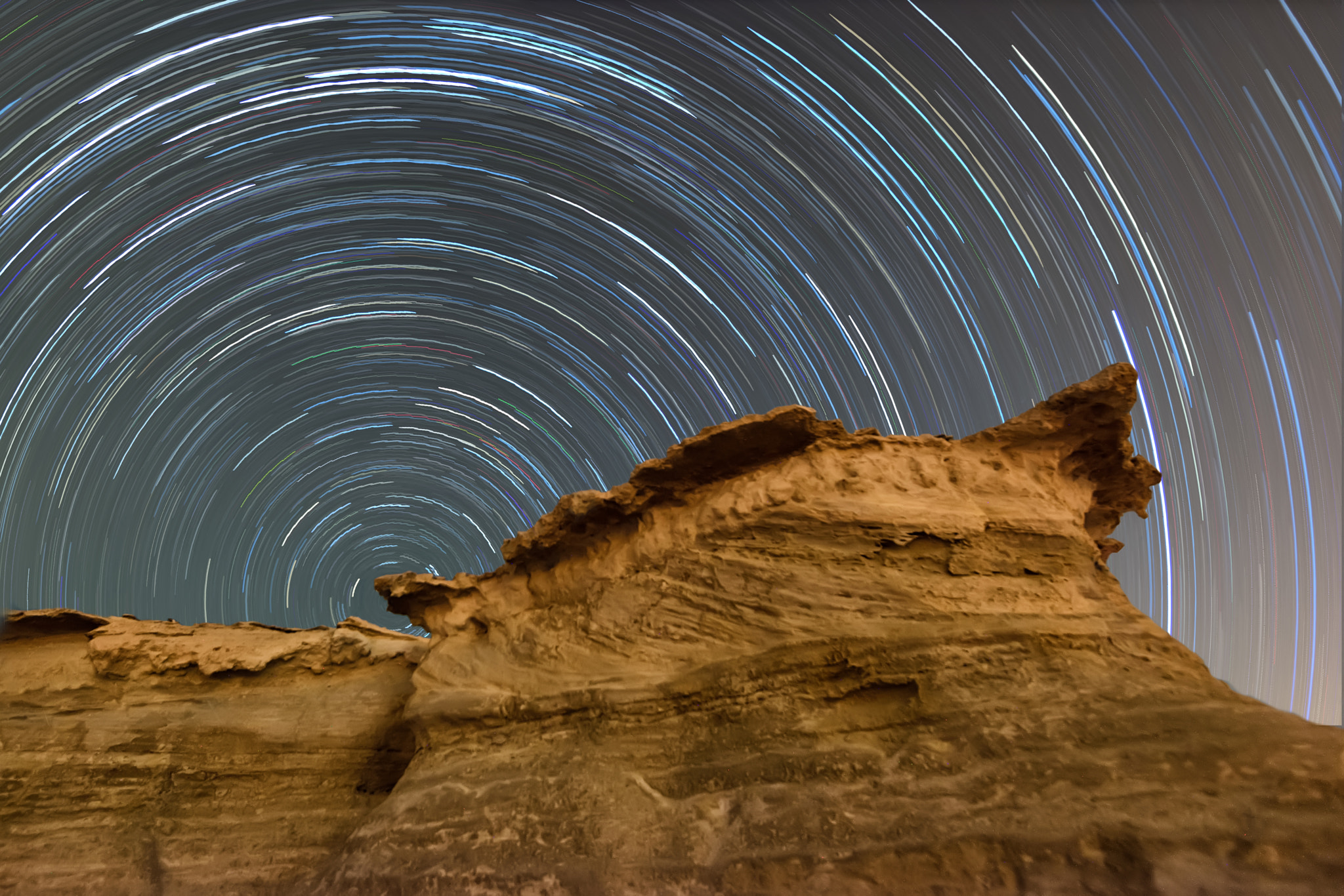
Rock Formation by andrewmadali (500px.com/andrewmadali)


Shot taken at Al Ruwais, UAE. We found this rock formation while we were on our way to Baniyas Island. You can also follow me on FACEBOOK and FLICKR via 500px https://ift.tt/J9Wmbh3

maanantai 4. syyskuuta 2023

PictureCorrect.com: What Sets the Peak Design Travel Tripod Apart?

Travel photography has always been about capturing moments, emotions, and landscapes in their purest forms. But for photographers, one of the most cumbersome pieces of equipment to carry around is a tripod. Enter the Peak Design Travel Tripod – a revolution in design, portability, and functionality.

travel tripod

1. Compact Design:

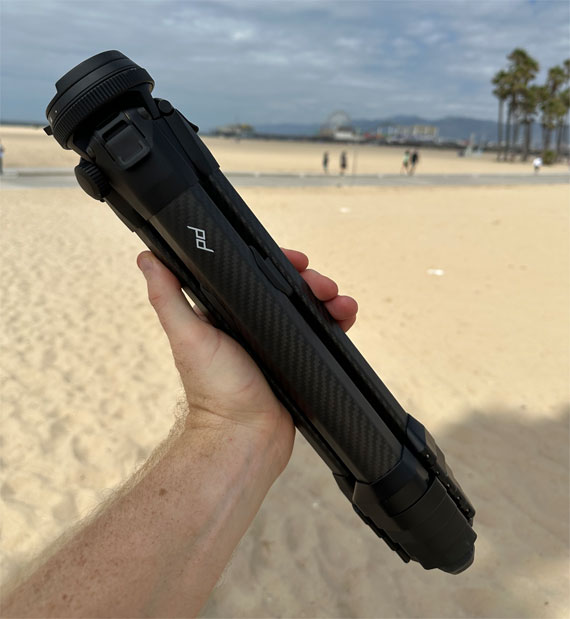
The very first thing that will catch your eye about the Peak Design Travel Tripod is its sleek, modern design. Unlike traditional tripods that have chunky legs and excessive bulk, this tripod has a unique compact shape, making it easy to pack alongside your camera gear.

2. Lightweight Yet Sturdy:

Despite its compact form, it doesn’t compromise on stability. Made with premium materials like aluminum and carbon fiber (depending on the model you choose), it’s lightweight yet incredibly robust, ensuring your camera remains steady even in challenging terrains.

3. Quick to Set-Up:

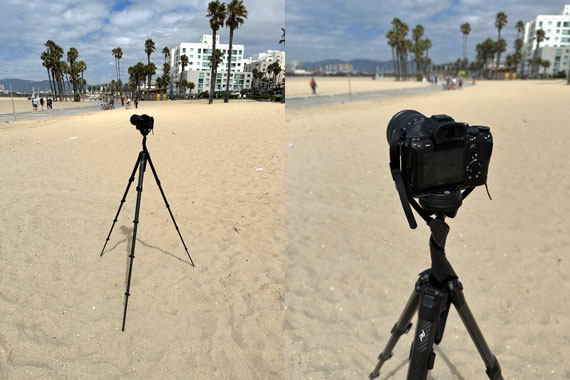
Photographers often find themselves racing against time, trying to capture that perfect golden hour shot or the fleeting moment when everything aligns perfectly. The Peak Design tripod is designed for such moments. With its intuitive leg-locking system, you can set it up in a matter of seconds.

travel tripod setup

4. Integrated Mobile Mount:

In the age of smartphones, no equipment is complete without catering to mobile photography. Hidden within the center column is a mobile mount that allows you to quickly switch to smartphone photography, making it versatile and relevant in today’s world.

5. Efficient Ball Head Design:

The ball head of the Peak Design Travel Tripod is a game-changer. It’s low profile, yet robust, and offers easy adjustments with single-ring control. This ensures that you can swiftly change orientations without going through cumbersome adjustments.

6. Sustainable Choice:

In today’s environment-conscious world, choosing products that have a reduced carbon footprint is crucial. Peak Design, as a brand, has shown commitment towards sustainability. They’ve eliminated excessive plastic components and have focused on long-lasting materials, ensuring your tripod not only serves you well but also minimizes its impact on the environment.

travel tripod

Conclusion:

The Peak Design Travel Tripod, with its innovative features, sleek design, and sustainable choices, stands out in the crowded market of photography equipment. It’s not just a tripod; it’s a testament to what thoughtful design and engineering can achieve. For photographers on the move, this might just be the companion you’ve been searching for.

Currently limited stock: Peak Design Travel Tripod

- - - - - - - - - - - - - - - - - - - - - - - - - - - - - - - - - - - - - - - - - - - - - - - - - - - - - - - - - - - - - - - - - - - - - - - - - -

Did you appreciate this newsletter? Please help us keep it going by Joining Our Patreon Supporters

What are your thoughts on this article? Join the discussion on our Facebook Page

PictureCorrect subscribers can also learn more today with our #1 bestseller: The Photography Tutorial eBook

- - - - - - - - - - - - - - - - - - - - - - - - - - - - - - - - - - - - - - - - - - - - - - - - - - - - - - - - - - - - - - - - - - - - - - - - - -

The post What Sets the Peak Design Travel Tripod Apart? appeared first on PictureCorrect.


from PictureCorrect https://ift.tt/ZxOw1Vo
via IFTTT

sunnuntai 3. syyskuuta 2023

PictureCorrect.com: Decoding Darkness: How Smartphones Capture the Night

In photography, capturing the perfect image often revolves around understanding and manipulating light. But when natural light is limited, especially during night or in dimly lit areas, things become challenging. Modern smartphone cameras, despite their compactness, have made significant strides in addressing this challenge. Let’s delve deeper into the technological nuances behind this.

smartphone night

Photo captured by Jules PT

1. Aperture Explained: The Role of Size

The aperture of a camera lens is essentially its “eye.” A larger aperture (denoted by smaller f-numbers like f/1.8) means the camera lens can open wider, allowing more light to enter. While a larger aperture aids in capturing brighter images in darker conditions, it’s only one piece of the puzzle.

2. Sensor Size and Its Significance

The sensor is where light is captured and converted into an image. Generally, larger sensors can gather more light, leading to better image quality and reduced noise. Although smartphone sensors are smaller compared to those in DSLRs or mirrorless cameras, advances in sensor technology have optimized them for better performance in limited light.

3. Optical Image Stabilization (OIS): A Mechanism for Clarity

In low light, the camera often needs to use slower shutter speeds to let in more light. However, this can introduce motion blur from slight hand movements. OIS combats this by making micro-adjustments to the lens or sensor, providing more stability during longer exposures.

4. Computational Photography: More Than Just a Click

This involves using algorithms to improve or extend the capabilities of digital photography. For example, some smartphones take multiple short-exposure shots and then merge them to produce a brighter and clearer image. This method reduces the noise typically seen in long-exposure shots.

5. AI in Photography: Not Just a Buzzword

While AI might sound like a trendy term, its application in photography is substantial. AI can assist in analyzing a scene, adjusting settings accordingly, or even identifying and enhancing specific subjects in a frame. This leads to better optimization of available light and improved overall image quality.

6. The Value of Manual Control

Auto-modes are great for convenience, but sometimes full control can yield better results. By manually adjusting parameters like ISO (sensitivity to light), shutter speed, and focus, users can tailor the camera’s behavior to better suit challenging lighting situations.

7. RAW Capture: The Post-Processing Powerhouse

A RAW image retains all the data from a sensor without compression or processing. This offers more flexibility when editing, especially useful in low light scenarios where you might want to adjust exposure, shadows, or reduce noise without compromising on quality.

8. Role of Multiple Lenses

While a single lens might be versatile, having multiple lenses (like wide or ultra-wide) allows for more flexibility. Some of these lenses have larger apertures or specific focal lengths, designed to perform better in different lighting conditions.

In Conclusion

Photographing in low light with a smartphone isn’t just about having advanced features or the latest tech. It’s about understanding how these technologies work together, how they can be adjusted, and how to use them effectively. While modern smartphones have made it easier to capture quality images in challenging conditions, knowing the underlying principles will always enhance the outcome.

For Further Training:

iPhone Photo Academy is an in-depth online course that will show you how to take incredible iPhone photos. With the right knowledge an iPhone can be used to take photos that are so good that most people would never even believe that they were taken with a phone. It is currently 84% off which ends soon!

iphone photo tutorials

iPhone Photography Tricks (Click to See More Examples)

The best camera is the one that is always with you. But having the iPhone with you is only half of the equation. The other half is knowing how to use it to take outstanding photos.

Deal ending soon: The iPhone Photography Academy at 84% Off

- - - - - - - - - - - - - - - - - - - - - - - - - - - - - - - - - - - - - - - - - - - - - - - - - - - - - - - - - - - - - - - - - - - - - - - - - -

Did you appreciate this newsletter? Please help us keep it going by Joining Our Patreon Supporters

What are your thoughts on this article? Join the discussion on our Facebook Page

PictureCorrect subscribers can also learn more today with our #1 bestseller: The Photography Tutorial eBook

- - - - - - - - - - - - - - - - - - - - - - - - - - - - - - - - - - - - - - - - - - - - - - - - - - - - - - - - - - - - - - - - - - - - - - - - - -

The post Decoding Darkness: How Smartphones Capture the Night appeared first on PictureCorrect.


from PictureCorrect https://ift.tt/nkstfvd
via IFTTT

lauantai 2. syyskuuta 2023

PictureCorrect.com: How to Improve Your Photos With One Simple Change

You take hundreds and thousands of photos of this, that, and everything around you. Your main objective? To capture beauty.

But, when you come home and take a look at your photos, why is there so often a feeling of dissatisfaction? Why do the photos you take not come out how you imagined they would?

While there are many reasons for this, let me share with you one common mistake that you may suffer from.

It all starts with your eyes…and how you use them.

photo moment

Photo by Alex Alvarez; ISO 400, f/1.2, 1/8000s.

Helen Keller was once asked how she could accomplish so much without her vision. Her response? She completely disagreed and said she did have vision. In fact, her vision is what she attributed to every one of her accomplishments. Without it, she would not have accomplished anything.

Vision, you see, is more than just opening your eyes and looking around for things to see. It’s the very essence of what it means to be an artist.

As a photographer, vision is everything.

So what exactly is vision and how do you develop it? To start, there are two critical parts to your artistic “vision”:

1. What are you trying to capture?

So many camera owners see something interesting and then shoot away. When you work this way, you may know what you are trying to photograph, but do you really? Did you really carefully study the way it looks from your viewfinder? Did you really take time to find the best way to capture it?

Or, did you just see it, point your camera at it, and SHOOT SHOOT SHOOT?

The fact is, once you’ve found what you want to capture, the photography process barely even BEGINS!

Instead of rushing away to press down on your shutter, take time to observe. Carefully look at the scene in front of you. The colors. The shapes. The contrasts.

photographer vision

Photo by Luke Jones; ISO 100, f/1.8, 1/4000s.

Now’s your chance to frame your composition and inject YOUR viewpoint and YOUR vision.

Which leads to point number two….

2. Emotion

To describe this, let me first ask you to do something. Please, at night, walk around a neighborhood with a lot of apartments. This will allow you to easily see the windows of several apartments at the same time.

I want you to carefully notice the flickering of light in nearly every single window. What’s happening? Everyone is glued to some sort of screen watching something. Netflix. Cable TV. A movie….

Now, why is this happening?

It’s not because people like to sit on a couch and do nothing for several hours. It’s not because people enjoy staring at a frame.

Quite frankly, it’s because within every single TV frame is the most addicting substance on the face of the earth: EMOTION.

Drama. Excitement. Happiness. It’s all packed into that frame for easy and quick absorption from viewers. THIS is what people enjoy. THIS is what people thrive on. If they stumble onto a channel without emotion, they will quickly move on without a second thought.

A photo works no differently.

It’s simply a frame jam-packed with emotion. Unlike movies, however, a photo has only one shot to grab its viewers. Because of this, you must smack the viewer over the head with a powerful emotional experience the very moment they lay their eyes on your image.

making impression photo

Photo by Ayko Neil Kehl; ISO 80, f/5.6, 1/100s.

If you don’t, you’ve lost your viewer.

Your vision must always be emotion-based.

We all know the basic emotions. Happy, sad, mad, angry, frustration, peace, relaxation, etc. When you have found the subject you want to photograph, try thinking of these emotions.

What emotion do you want your subject to feel?

Your answer to this question will help you determine what angle you choose. It will help you determine whether to put a lot of space (or a little) around the subject. It will help you determine whether to use a vertical or horizontal orientation.

It will, in essence, help you determine every aspect of your photo. The more you engineer your photo to present that emotion, the more power it will have.

So there you have it! Two critical parts to your “vision” as a photographer. Try thinking of both of these elements every time you take a photo and I guarantee you’ll see a change. And remember, when you’ve found a breathtaking subject to capture, your job as a photographer has just begun. Hold off the urge to instantly shoot away and instead, observe first!

About the Author:
Simon Takk, creator of phototechniques, shows others how to open their eyes to the breathtaking photo opportunities all around them.

- - - - - - - - - - - - - - - - - - - - - - - - - - - - - - - - - - - - - - - - - - - - - - - - - - - - - - - - - - - - - - - - - - - - - - - - - -

Did you appreciate this newsletter? Please help us keep it going by Joining Our Patreon Supporters

What are your thoughts on this article? Join the discussion on our Facebook Page

PictureCorrect subscribers can also learn more today with our #1 bestseller: The Photography Tutorial eBook

- - - - - - - - - - - - - - - - - - - - - - - - - - - - - - - - - - - - - - - - - - - - - - - - - - - - - - - - - - - - - - - - - - - - - - - - - -

The post How to Improve Your Photos With One Simple Change appeared first on PictureCorrect.


from PictureCorrect https://ift.tt/e40YLRC
via IFTTT