


One of the most common—and costly—misunderstandings in photography is the belief that owning a photo automatically means you can use it however you want.
On the surface, that assumption makes sense. You took the photo. You edited it. You delivered it. The copyright is yours.
So what’s the problem?
The problem is that ownership and usage are two very different things, especially once images move into commercial and advertising spaces.
Related note: only a little while left for the Earn Money with Photography  New Year Sale
Ownership Is Automatic. Usage Is Not.
As the photographer, you typically own the copyright to the images you create. That ownership gives you certain rights—like reproducing the image, displaying it, and licensing it to others.
But ownership alone does not grant unlimited usage, particularly when other people, brands, or properties appear in the image.
That’s where many photographers get tripped up.
The Moment an Image Becomes an “Ad,” the Rules Change
Using a photo in a portfolio, on a personal website, or in an editorial context is very different from using it to promote a business, product, or service.
Once an image is used in advertising:
- Model rights matter more
- Property rights matter more
- Client expectations matter more
- Contracts matter a lot more
Even if you own the image, you may not have the right to use it commercially without permission.
The Most Common Mistake: Assuming Past Work Is Fair Game
Many photographers assume that images from old client shoots are safe to reuse in:
- Social media ads
- Website banners
- Email marketing
- Paid promotions
But unless your contract clearly allowed commercial self-promotion—or you have appropriate releases—those images may be off-limits.
This is especially true for:
- Portraits
- Lifestyle shoots
- Weddings
- Corporate sessions
- Brand-related content
Just because a client paid for the shoot doesn’t mean they agreed to be featured in advertising later.
Model Releases Are Not a Magic Shield
Another common misunderstanding is believing that a model release automatically allows all commercial uses.
In reality:
- Releases are often limited in scope
- Some cover editorial use but not advertising
- Some allow client use, but not photographer advertising
- Some don’t exist at all for older shoots
Without a release that clearly allows commercial promotion, using the image in ads can create real risk—even if the subject originally agreed to be photographed.
“But It’s My Portfolio” Isn’t Always a Defense
Portfolio use is often allowed—but ads are not portfolios.
A paid ad is designed to generate revenue, leads, or business. That distinction matters legally and contractually.
A photo sitting quietly on your website is very different from the same image being pushed into paid social feeds or used as a promotional banner.
This is where photographers unintentionally cross the line.
Contracts Are Where This Gets Solved (or Not)
Most problems don’t come from bad intentions. They come from vague contracts.
Phrases like:
- “May be used for marketing”
- “Can be used for promotion”
- “Includes commercial use”
sound helpful, but they’re often too broad—or too unclear—to protect anyone.
Clear contracts spell out:
- Who can use the image
- How it can be used
- Where it can appear
- For how long
- Whether paid advertising is allowed
Without that clarity, assumptions fill the gap.
Why This Matters More Than Ever
Images don’t stay in one place anymore.
A single photo can quickly move from:
- Website → social post → paid ad → partner promotion
Each step increases exposure—and potential problems—if usage rights weren’t clearly defined upfront.
What felt harmless years ago can suddenly matter a lot.
The Bottom Line
Owning the photo gives you rights.
Using the photo—especially in advertising—requires permission.
When photographers blur that distinction, they expose themselves to unnecessary risk, damaged client relationships, and avoidable disputes.
The fix isn’t complicated. It’s clarity:
Clear contracts
Clear releases
Clear understanding of how images will be used
Because in photography, ownership is just the starting point—not the finish line.
For Further Training:
This in-depth eBook has helped thousands of photographers turn their passion into profit—and here it’s at its lowest price ever to start the New Year.
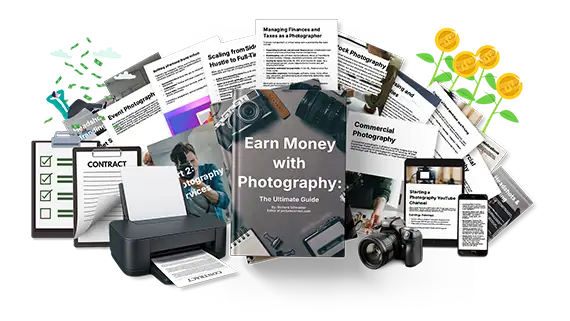
Packed with proven strategies in all types of photography and even printable contract templates you can use with clients right away, it’s your shortcut to making money with photography.
Deal ending soon: Earn Money with Photography New Year Sale
from PictureCorrect https://ift.tt/aUPcbLF
via IFTTT


Really interesting comparison between owning photos and actually using them — such an important mindset shift for photographers! I’ve found that sharing and editing my work really helps me grow creatively. I also discovered some useful inspiration and editing resources on PhePhotos that have helped me put my images to good use instead of just storing them. Thanks for the insight! https://phephotos.com/
VastaaPoista