


If you’ve spent any time learning photography, you’ve probably heard this advice more than once:
“If you’re serious, you need to shoot in Manual mode.”
It’s usually delivered with good intentions — but also with a fair amount of oversimplification. The truth is, professional photographers use Manual mode strategically, not religiously. They choose it when it gives them control, consistency, or predictability — and they avoid it when it gets in the way of getting the shot.
Let’s break down how Manual mode is actually used in the real world, when it matters, and when other modes are simply smarter tools.
Related: Ready to make serious progress with your camera? PictureCorrect Premium works like a photography bootcamp — structured, practical, and just $1 to try right now
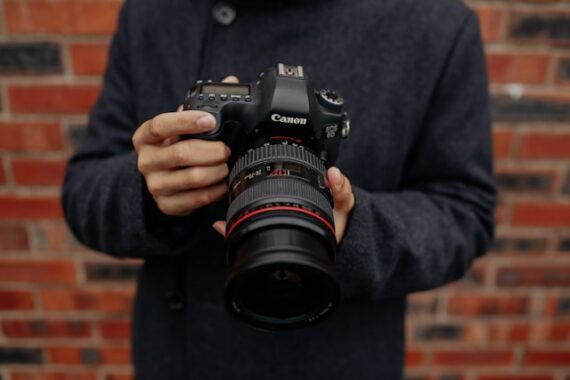
What Manual Mode Really Gives You
Manual mode gives you full control over the exposure triangle:
- Aperture – depth of field and light intake
- Shutter speed – motion blur or freezing action
- ISO – sensor sensitivity and noise
What it doesn’t automatically give you is better photos.
Manual mode is about intentional consistency, not superiority.
Professionals reach for it when:
- Lighting conditions are stable
- Exposure needs to stay locked frame to frame
- The camera’s meter is likely to be fooled
- Creative decisions matter more than speed
When Pros Do Use Manual Mode
1. Controlled Lighting Situations
Studio portraits, product photography, food photography, and many flash setups rely heavily on Manual mode.
Why?
- Lights aren’t changing
- Exposure needs to match across images
- Flash output, not ambient light, is doing the work
Once exposure is dialed in, Manual mode ensures nothing drifts.
2. Landscapes With Tricky Light
Scenes with snow, beaches, sunsets, fog, or dark forests can confuse a camera’s meter.
Pros often use Manual mode to:
- Prevent exposure from shifting as composition changes
- Protect highlights during sunrise or sunset
- Maintain consistent exposure across panoramas
In these cases, Manual mode is about removing variables, not showing skill.
3. Night Photography & Long Exposures
Astrophotography, city light trails, and creative long exposures almost always require Manual mode.
The camera simply can’t:
- Meter stars reliably
- Guess intentional motion blur
- Choose exposures longer than standard limits
Here, Manual mode isn’t optional — it’s necessary.
When Pros Don’t Use Manual Mode
This is where things get interesting.
1. Fast-Moving, Unpredictable Subjects
Sports, wildlife, events, street photography — these often demand speed over precision.
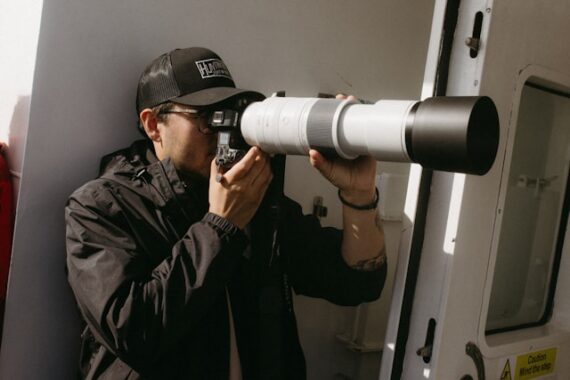
Pros frequently use:
- Aperture Priority for depth-of-field control
- Shutter Priority for motion control
- Auto ISO even when other settings are manual
The goal isn’t perfect exposure math — it’s capturing the moment.
2. Rapidly Changing Light
Weddings, concerts, documentary work, and outdoor events can shift lighting every few seconds.
In these situations:
- Manual mode can slow you down
- Missed shots matter more than imperfect exposure
- Modern cameras meter extremely well
Many professionals use semi-manual setups: locking one or two settings and letting the camera handle the rest.
3. When Consistency Isn’t the Priority
If each frame is unique and independent, strict manual control may not add value.
Pros ask:
- “Do I need identical exposures?”
- “Is the light stable?”
- “Will automation help me react faster?”
If the answer favors speed or flexibility, they switch modes without hesitation.
The Pro Mindset: Control What Matters, Automate the Rest
This is the part most advice skips.
Professional photographers don’t ask:
“Should I always use Manual mode?”
They ask:
“Which variables matter right now?”
Examples:
- Lock aperture for consistent background blur, let ISO float
- Lock shutter speed to freeze action, let the camera adjust exposure
- Use Manual exposure + Auto ISO for consistency with flexibility
Manual mode is a tool, not a badge of honor.
The Real Skill Isn’t Manual Mode — It’s Decision-Making
Knowing how to use Manual mode is important.
Knowing when not to use it is what separates confident photographers from anxious ones.
Pros aren’t afraid of automation because:
- They understand what the camera is doing
- They know when it helps and when it hurts
- They prioritize results over rules
The camera doesn’t care how “pure” your settings are.
Your audience only cares about the photo.
A Better Way to Practice Manual Mode
Instead of forcing Manual mode everywhere, try this approach:
- Use Manual mode in stable lighting
- Switch to priority modes in dynamic environments
- Review images and ask why exposure worked or failed
- Learn how the meter reacts — don’t fight it blindly
Manual mode becomes powerful when it’s chosen, not enforced.
Final Thoughts
Manual mode isn’t the final boss of photography.
It’s just one of many tools professionals use intentionally.
Master it. Respect it.
But don’t let dogma cost you great shots.
The best photographers aren’t loyal to modes — they’re loyal to outcomes.
Others Are Already Ahead:
While you’re reading this, other photographers are already diving into hands-on tutorials and lessons from PictureCorrect Premium — and seeing results. Don’t let this $1 opening pass you by.
With guided exercises, clear lessons, and printable cheat sheets, it works like a photography accelerator — helping you practice the right things, in the right order, without wasting time.
 Try it for $1 (ending soon) and start mastering your camera
from PictureCorrect https://ift.tt/sVCLntj
via IFTTT


Great tips! Using manual mode really helped me understand light and exposure better — especially when shooting in challenging conditions. I also found some helpful resources and presets on PhePhotos that make editing manual shots much easier. Thanks for sharing these techniques! https://phephotos.com/
VastaaPoista