


Embarking on the quest to photograph snowflakes is not just a photographic challenge but a journey into the heart of nature’s delicate artistry. Each snowflake is a unique masterpiece, a fleeting glimpse into the intricate wonders of the natural world. Understanding the conditions that lead to the perfect formation of these ice crystals is key to capturing their ethereal beauty. In this post, we’ll explore the ideal weather conditions for photographing well-defined snowflakes and delve into the fascinating process of how these winter wonders are formed.
Related reminder: launch sale ending soon for the Winter Photography Snap Cards
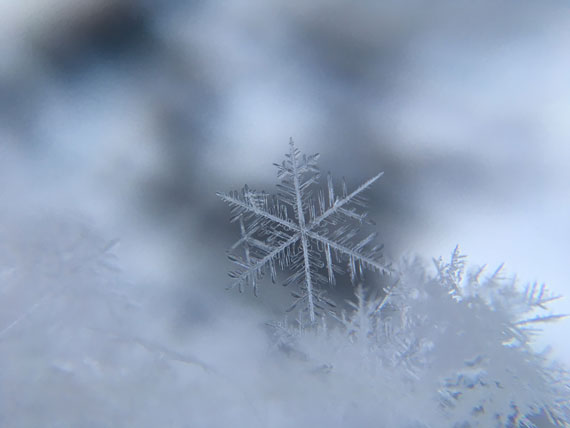
Photo captured by Damian McCoig
Ideal Weather Conditions for Photographing Snowflakes:
- Temperature: Ideally, temperatures should be just below freezing, around -2°C to -5°C (28°F to 23°F). This range is perfect for preserving the snowflakes’ structure without causing them to become too brittle.
- Humidity: Moderate to high humidity is crucial, as snowflakes form from water vapor. Too much humidity can cause them to clump together, while too little might not support their formation at all.
- Snow Type: The best snowflakes for photography are found in light, fluffy snow, which is more likely to contain the classic, intricate shapes.
- Wind Conditions: Calm conditions are preferable, as wind can damage the delicate structure of the snowflakes.
How Snowflakes Form:
Snowflakes begin as tiny ice crystals in the clouds, forming when water vapor condenses directly onto a particle like dust or pollen. As they fall through the cloud, they encounter more water vapor, which freezes onto the crystal, causing it to grow. The shape and complexity of a snowflake are influenced by the temperature and humidity it encounters during its descent. Temperatures just below freezing typically produce flat, six-sided shapes, while colder conditions result in more columnar forms. The sixfold symmetry of snowflakes, a result of the molecular structure of water, creates the iconic hexagonal pattern we associate with snowflakes. The journey through different atmospheric layers imparts each snowflake with its unique pattern, ensuring no two are exactly alike.
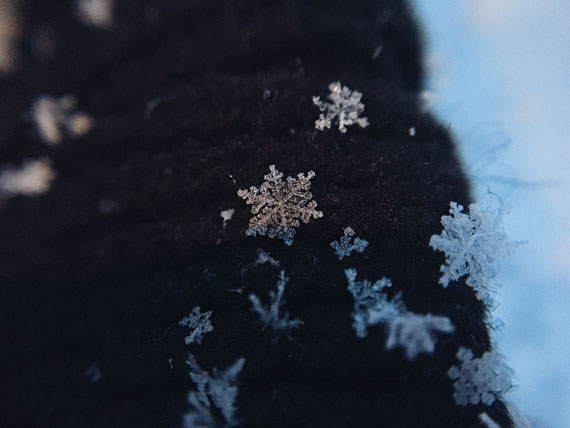
Photo captured by Darius Cotoi
Photographing snowflakes is a delicate balance of science and art. By understanding the conditions under which these natural wonders form and thrive, you can capture their fleeting beauty, immortalizing a moment that nature crafts with exquisite precision but rarely preserves. Each photograph of a snowflake is a testament to the unique and transient beauty of nature.
For Further Training:
If you want help capturing better photos in snowy or low-light winter conditions, the new Winter Photography Snap Cards (currently 80% off) are worth checking out—especially while they’re still heavily discounted. These pocket-sized guides give you quick, practical tips for exposure, color, composition, and handling tricky winter light.

They also walk you through common challenges like blown-out snow, blue color casts, foggy lenses, and fast-changing skies, so you can adjust your settings with confidence. Whether you’re shooting frosty landscapes, falling snow, or cozy evening scenes, these cards make it easier to get great winter shots without guesswork.
Launch sale ending soon: Winter Photography Snap Cards at 80% Off
from PictureCorrect https://ift.tt/hcFEsLZ
via IFTTT


0 kommenttia:
Lähetä kommentti